• Home
  • About Us
  • Toolkit
  • Getting Finances Done
    • Hiring Advisors
    • Debt Management
    • Spending Plan
  • Insurance
    • Life Insurance
    • Health Insurance
    • Disability Insurance
    • Homeowners/Renters Insurance
  • Contact Us
  • Privacy Policy
  • Risk Tolerance Quiz

The Free Financial Advisor

You are here: Home / Archives for Planning

How People with Bad Credit Can Survive the Storm

January 12, 2016 by Joe Saul-Sehy Leave a Comment

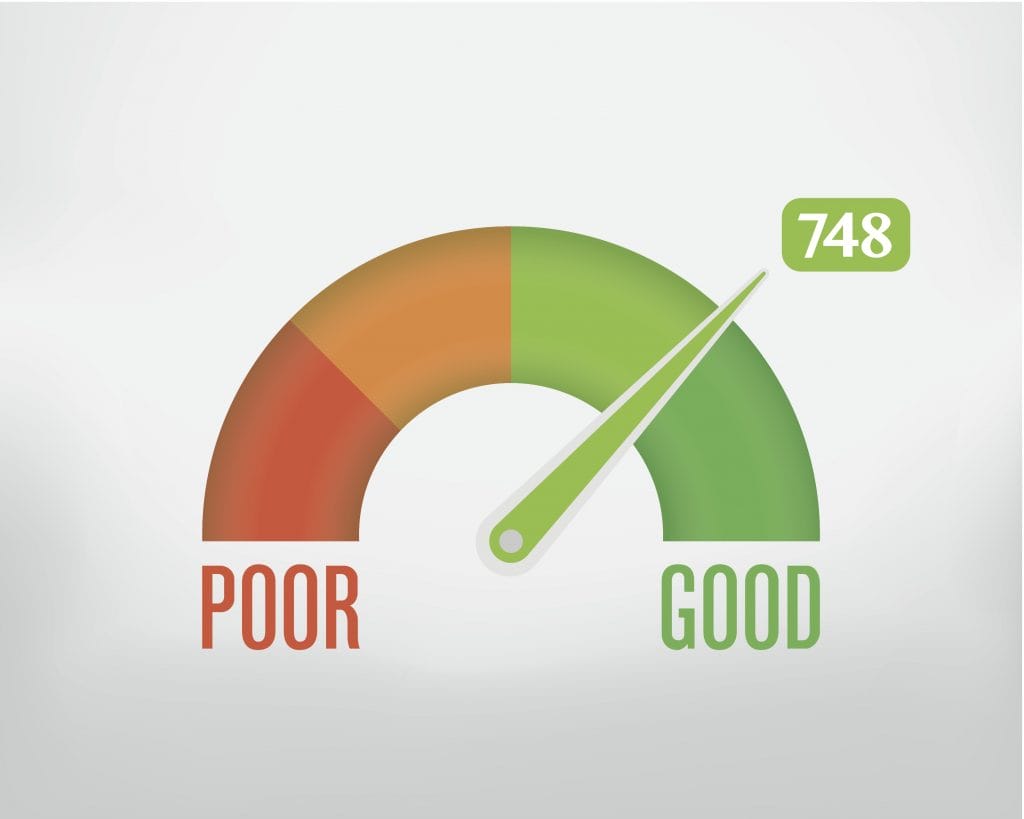
Credit ScoreThe upcoming storm of rising interest rates and increasing lender cautiousness makes life difficult for people with already bad credit ratings. In the coming year, you will have to tighten up and you will have to make a new start to get your credit rating back on track. Forget about the mistakes of the past and read our tips for how people with bad credit can survive the storm.

Don’t Cancel Your Credit Cards 

Do you have a spending bug you can’t seem to beat? The worst thing you can do is to cancel your credit cards. Unbelievably, this is a sign of panic and lenders will kick your credit score in the pants for doing it. The alternative is to leave these lines of credit open, but cut up the card. That way you’ve effectively closed your account without hurting your credit score.

Can You Kick a Debt Quick?

The reason why so many people have bad credit is spiraling debt. They get into a situation where they have so many bills coming in they can’t pay them all off and they barely remember who they owe and how much they have to pay.

Start the next year by hitting a debt right between the eyes. Get together a lump sum and pay off some debts in their entirety. This is a form of debt consolidation that will make it easier to rebuild your credit rating later on.

Talk to Your Lenders

It’s amazing how many borrowers won’t speak to the people who have leant them money. Nevertheless, this is a powerful tool in your resource. If you’re having problems paying your debts or rebuilding your credit rating, talk to these people. Tell them your difficulties.

They’ll often work out a different agreement to help you make your repayments. They don’t care about anything except getting their money back, so any chance to make a formal arrangement will be grasped with both hands.

Too Many Loans?

This is the first step. We’re not saying that you need to stop taking out all loans. You need some lines of credit if you’re going to rebuild your score. However, what people need to understand is that in the future lenders are going to be more stringent than ever before. Every rejected application leaves a stain on your credit record; therefore, you should only apply for loans you’re practically guaranteed to receive. A good choice might be a company like the scottishtrustdeed.co.uk where their focus is to help people find personal loans with bad credit.  Interest rates will be higher but again your best bet is to not apply for loans.

Get a “Bad Credit” Credit Card

Someone with bad credit has the problem of not being able to easily get any new lines of credit. They need a higher rating. This is where “bad credit” credit cards come in. These are types of cards designed specifically for people with bad credit.

Here are some characteristics of these cards:

  • Higher interest rates.
  • Lower limits.
  • Lack of choice.

As you can see, the upcoming debt storm isn’t a reason to panic. Keep a cool head and you should have no problems getting out of that pit of bad credit.

Photo of Joe Saul-Sehy
Joe Saul-Sehy

Joe is a former financial advisor and media representative for American Express and Ameriprise. He was the “Money Man” at Detroit television WXYZ-TV, appearing twice weekly. He’s also appeared in Bride, Best Life, and Child magazines, the Los Angeles Times, Chicago Sun-Times, Detroit News and Baltimore Sun newspapers and numerous other media outlets.  Joe holds B.A Degrees from The Citadel and Michigan State University.

joesaulsehy.com/

Filed Under: Debt Management, Featured, Planning Tagged With: bad credit, credit score, Debt

How to Get a Vehicle Loan: Tips for the Credit-Challenged Car Buyer

December 30, 2015 by Joe Saul-Sehy 4 Comments

Car Loan Paperwork


Buying a car is an exciting experience, one that everyone dreams about when they’re young. But when you’re an adult trying to buy a car with little to no credit, that experience is more like a nightmare. Although it may not seem like it is possible to get a good car loan with nonexistent credit, it is achievable if you ask the right questions and know where to look.

How long will the loan be active?

Before pursuing a loan, it is important to crunch some numbers and make some decisions. The first thing you should ask yourself is how much you can afford to pay each month and how long you are willing to pay it. You want to be sure the payments are reasonable and within your means. Don’t overestimate, but you want to pay as much as you can without setting yourself up to fail.

If you decide that a longer auto loan (more than six years) is best for you, know that your monthly payments will be lower, but you will end up paying more in interest over the life of the loan. Choosing a longer loan also means you run the risk of falling victim to depreciation. This means you could end up owing more on the car than it is worth, or the dreaded underwater scenario.

Do you have a co-signer?

If you alone do not look appealing on paper, adding a co-signer to the loan, like a spouse or parent, can make you look a lot more attractive to lenders. With a cosigner, the party lending the money has more options for recovery outside of the borrower. Essentially, if you have someone with good credit willing to vouch for you, you are more likely to drive away in a new or used car. However, you have now made that individual as equally responsible for the payments as you are.

Who will lend to you?

Don’t give up on a bank loan until you’ve actually tried. Know that you are more likely to be approved at an institution where you already have an account. If you are not approved the first time, it may be worth your time to wait and apply again a few months later, particularly if in those months you can demonstrate steady employment, change in income or steady credit payments.

If you have no luck at a corporate bank, try for pre-approval from a credit union. Credit unions are capable of making personalized decisions, especially if you bank there. A bonus is that credit unions tend to offer lower interest rates than banks, and they do not follow the bank’s tiered rate system, so your interest payments will be the same as any other credit union member’s, regardless of your credit score.

Another option is to go with a dealership that caters to customers with little to no credit, such as DriveTime. Its website states that it has approved over 2.5 million people and sold over 750,000 used vehicles to people with no or bad credit. It claims that it works with all credit types, so you are more likely to get approval.

Photo of Joe Saul-Sehy
Joe Saul-Sehy

Joe is a former financial advisor and media representative for American Express and Ameriprise. He was the “Money Man” at Detroit television WXYZ-TV, appearing twice weekly. He’s also appeared in Bride, Best Life, and Child magazines, the Los Angeles Times, Chicago Sun-Times, Detroit News and Baltimore Sun newspapers and numerous other media outlets.  Joe holds B.A Degrees from The Citadel and Michigan State University.

joesaulsehy.com/

Filed Under: budget tips, Featured, money management, Planning

Helpful Tips For New Landlords

December 8, 2015 by Joe Saul-Sehy 4 Comments

The stresses that come along with becoming a landlord are plenty, but the rewards can be great. From financial investments to regulations, bad tenants to contract woes, there are a variety of things to worry about. Luckily, with enough foresight, you can avoid many of these stresses and make your time as a landlord the best experience it can be. I’ve compiled a list of helpful tips for any new landlord looking to navigate this challenging venture.

  1. Understand Your Responsibilities

Many romanticize the position of landlord as some sort of benevolent overseer that receives a hefty rent check every month, but this is not the case. It’s not a hobby, and in some cases it can feel like a full-time job. If you don’t use a property management company, you and you alone are in charge of seeing that any pressing needs are met. That means if the heater breaks in the dead of winter, you’ll have to hire someone or get over there yourself and fix it as quickly as possible. If you’re not prepared to be at the disposal of your tenants in a moment’s notice, you may want to consider hiring outside help in your endeavor.

  1. Financial Issues and Returns

You need to know that renting doesn’t turn an immediate profit; in fact, it’s more of an investment for the first few months and potentially even years. With perseverance, you will see a return on your investment, but you’ll definitely be funneling money into your properties in the meantime. Anything that breaks you’ll have to pay to have replaced immediately. You’ll also have to worry about insurance and utility costs raising as time goes on. If these requirements sound like they’ll be too much of a financial strain, you may need to reconsider your desire to become a landlord.

  1. A Knowledgeable Landlord is a Profitable Landlord

Understand the legal ramifications of what you’re getting into, and do the research to make sure you never find yourself in hot water. Study up on the regulations on local, state, and federal levels, and be prepared for any legal consequences that you may be vulnerable to. Every state has different specifications, and city and county rules can make the process even more stringent.

  1. The Rental Agreement

Crafting an airtight rental agreement is key to being a lucrative landlord. The right wording and insertions can make or break your relationship with your tenant, and legality issues should be at the top of your mind when creating your contract. Protect your assets and draft a contract with the help of legal counsel. You must decide whether you will work with a lease agreement or a rental agreement. Leases will bind you to a tenant for a certain amount of time, and a rental agreement is run on a monthly basis. Once you’ve settled on the type of agreement, make sure you include the standard rental provisions, including lease duration, your rent expectations, amenities, deposit and damages information, and your pet policies. Find some example rental or lease agreements for guidance, and make alterations specific to your property and requirements.

  1. The Importance of Screening

One of the biggest pitfalls of becoming a landlord is running the risk of renting to terrible tenants that can make your life miserable. Lower your chances of renting to a landlord’s nightmare by using a service like that offered at www.mysmartmove.com. This service will help you check their credit history, will let you know if they have any sort of criminal record you should be aware of, and indicate any previous evictions. Putting in the small investment and time at the offset can save you bundles of stress in the long run.

  1. The Biggest Question

One of the biggest questions you should be contemplating is whether or not you should hire a property manager. When it comes to tools for landlords, property management is at the top of the list. They can serve as one of the most valuable resources when renting out your space. They will serve as the intermediary between you and the tenant, handling all face to face interactions, including eviction issues. You will have to pay a pretty penny for their services—usually 10 percent of your rental income, or more—but the benefits can truly outweigh the costs.

If you’ve made the commitment to become a landlord, all of these facets should be understood and prepared for. Take your time to prepare your property, find the right tenant, and hire the necessary professionals before you begin this undertaking.

Photo of Joe Saul-Sehy
Joe Saul-Sehy

Joe is a former financial advisor and media representative for American Express and Ameriprise. He was the “Money Man” at Detroit television WXYZ-TV, appearing twice weekly. He’s also appeared in Bride, Best Life, and Child magazines, the Los Angeles Times, Chicago Sun-Times, Detroit News and Baltimore Sun newspapers and numerous other media outlets.  Joe holds B.A Degrees from The Citadel and Michigan State University.

joesaulsehy.com/

Filed Under: Featured, Planning

Conference Calling: The Nuts and Bolts of What Your Investors Are Looking for

December 7, 2015 by Kathleen Celmins Leave a Comment

conference-calls

The diversity of investment techniques and styles used by investors in Singapore has increased to where the long-term buy-and-hold index investor and the short-term day trader employs complex technical indexes. The most common trait among all investors is that they require more information to make better decisions that eventually benefit your company.

While research papers, latest earnings and news reports are great sources of company information, one overlooked source that requires your special attention is the company conference call. Below is information on what conference calling is, the information it contains, critical components and where you can find conference calling providers on the web.

The Under Belly

During your company’s conference call, analysts and investors have a chance to call over the phone and hear your management team comment on financial results of the recently completed quarter. Many public firms choose to hold four calls annually, usually five weeks after completion of the quarter. These conference calls are known as earnings calls, earnings conference calls or analyst calls. In most cases, they are also made available online as audio streams for a few days after the actual call.

Conventionally, the calls were available only through Wall Street analysts and institutional investors. However, the Internet now offers more and more companies the flexibility of allowing their investors, from Singapore, to listen in on a call.

Conference calls follow the same structure. The call starts with a conference operator introducing your management team, followed by the legal counsel who states the usual legal disclaimers. Emphasis is placed on the fact that the earnings mentioned are forward-looking projections that are expectations and not actual facts.

After the legal disclaimer, your management team welcomes everyone to comment on the firm’s future prospects and performance including the Chief Operating Officer (COO) or Chief Executive Officer (CEO). The company’s developments and performance are discussed during this portion of the call, and it is prudent that everyone listens to the monologue for an insight into the management’s mindset.

The next important item is raw financial data like reported and projected revenues and earnings. The management team will typically summarize your company’s bottom-line performance and augment it with commentary. The information provided in this session is available in press releases.

What Information Will Investors Listen For?

Though the conference call is live, the CEO and CFO discussions at the beginning provide a recap of the company press release. Remember, financial statements are only a snapshot of past company performance. The projections and analysis in the conference call tell the investors how the company is currently fairing and the projections of the management on future performance. Any major performance deviations from previous estimates are details that may be of concern to investors, it is important that the management team offers a commentary to address these concerns. Some investors and analysts believe that focusing on the tone and manner of message delivery will help provide an insight into a company and its future.

After management presentation on company recent performance, the audience is free to ask questions. Many investors and analysts find this to be the most critical part of conference calling since they can pose questions on company performance areas they did not understand for elaboration. This is also the chance for your investors in Singapore and other parts of the world to put your management team in the hot seat.

Individual investors may probably not get to ask personal questions – sometimes there are thousands of people listen in on the call and it may be impossible for your team to answer every one. However, questions asked by analysts are likely to bring forth answers your investors require.

Your conference call should be of high quality to allow investors listen to all analysts’ questions for insight into professional money managers concerns about your company. Investors will listen to the questions carefully and study how the management responds. Analyst questions are not rehearsed or submitted before the call, so this is the chance for investors to see how confidently and candidly you and your management team can back up the company performance under pressure.

More than anything else, conference calls will be used by investors to get a gut fell of your company management. Although investors can read projected earnings in a Singapore financial paper, the numbers will not convey the tone of your voice as the CEO. Your investors will hone in on your management team’s and analysts’ tones. Notice any change in the mood and wonder what caused it. The more calls you have, the more your investors will develop a great sense of distinguishing between a strong management and a weak one.

The Bottom Line

Next time you are on a Blue Jeans conference call with your investors, it is critical that you distinguish between the typical call speak and useful information. Although you provide your investors with a ton of information in your conference calls that is available anywhere, ensure you provide tidbits – especially in the question session – that will help your listeners learn more about their investment in you.


Photograph of Kathleen Celmins
Kathleen Celmins

Kathleen Celmins is a marketing expert who works with small to medium-sized businesses to help them scale their revenue, especially in the products they create around their own intellectual property.   In addition to decades of marketing and leadership experience, she holds a BA from Pacific University.  In her spare time, she enjoys parenting, entrepreneurship, and monetizing content.

Filed Under: Planning

Saving Money As A Home Business

November 18, 2015 by Joe Saul-Sehy Leave a Comment

Working from home.

Just saying the words aloud is enough to fill office workers and small business owners with masses of euphoria. And in fact, just over half of small businesses in the US thought the same thing, as 52% of SMEs are actually based at home, according to an article from Forbes.

If you’re already in the planning stages of beginning your own business, there are a literal wealth of reasons as to why making it home-based could be one of the best decisions of your professional career. Even right off the bat, there are many affordable options for registering an affordable domain name, as these providers and many others allow emerging businesses to find a cheap possibility for something that’s usually seen as expensive.

Travel

Of course, lack of travelling is a huge winner here, as your bedroom will be just yards away from your home office. It remains unlikely that you’ll never have to use the car or public transportation for work related travel ever again, as picking up products or going to client meetings may still be a factor within your business. However, cutting back on gasoline costs and weekly bus or rail passes will start to add up each week.

Food and drink

If you’ve ever worked in an office, you’ll know that employees can get into a routine when it comes to buying lunch or coffee. Bringing in prepared meals is an option and many do this, yet a large selection of people can often resort to their local Chipotle or Starbucks, for example, when lunch or break times arise. As delicious and quick as these types of places are, food and coffee bills could be massively reduced in favor of good old home cooking and coffee appliances for the kitchen.

Wholesale

For online retail businesses, purchasing from warehouse directories such as this are fantastic ways to make sure you never end up paying retail price for anything. What’s more, you can start to forge trusted relationships with suppliers, as it may be possible to buy a small amount of stock over a long period of time, instead of always large quantities at once.

Taxes

It could come as a surprise to home-based businesses as to just how much could be claimed as a business owner. Portions of rent, phone bills, heating allowances, furniture, office supplies, etc. are all possible to claimed as a business expense, but just be sure to keep all receipts and consult an accountant. More info on tax laws for home businesses can be found here.

As previously discussed in a separate article, it’s good to keep in mind that knowing your credit score before beginning your small business aspirations will undoubtedly save you the headache of being denied loans because of poor credit.

Photo of Joe Saul-Sehy
Joe Saul-Sehy

Joe is a former financial advisor and media representative for American Express and Ameriprise. He was the “Money Man” at Detroit television WXYZ-TV, appearing twice weekly. He’s also appeared in Bride, Best Life, and Child magazines, the Los Angeles Times, Chicago Sun-Times, Detroit News and Baltimore Sun newspapers and numerous other media outlets.  Joe holds B.A Degrees from The Citadel and Michigan State University.

joesaulsehy.com/

Filed Under: Planning

Promoting Your Small Retail Business

November 17, 2015 by Joe Saul-Sehy Leave a Comment

The rise and fall of the retail behemoths

There was a time when small retailers seemed to be under threat from all sides. On one hand was the inexorable march of the internet, and on the other was the consumers’ seeming preference for big box, one-stop, edge-of-town hypermarkets.

But somewhere along the line, something changed. Consumer preference shifted, and people began to prefer buying groceries from multiple small shops rather than loading the car up to the gunnels with a monthly shop.

Holes in the high street

With so many people shopping at outlets instead of downtown, as well as the inescapable effects of the recession, holes in the high street started to appear. Long-standing local businesses such as video rental shops – as well as other casualties of technological progress – began to vacate the high street, and many local shopping areas were left with only a number of storefront gaps left behind.

Nature abhors a vacuum, however – and with the economic recovery a new kind of business was born to plug those gaps, as well as keep things interesting for the consumer: the pop-up shop.
The effect has been interesting. Big players now run convenience size stores in local neighbourhood shopping zone, co-existing with established local businesses and shorter term pop-up business.

All of which adds up to an interesting time for local retail. And makes now a very good time indeed to be promoting your local business.

Small business promotion websites

If you own a small specialist local business, have a look into the possibility of joining forces with other small business to promote your local retail area. One example where local retailers have done exactly that is Edinburgh, whose Love From Indie Street is described as a ‘virtual high street’ where you can browse stores, buy vouchers and generally get acquainted with the city’s impressive independent retail scene.

There’s nothing quite like a local retail scene – especially if you are looking for something a little bit different – with a little bit of quirk and character. And people value the ‘people side’ of things too. A recent survey shows that upwards of 60% of the UK’s shoppers have long-standing relationships with their local shops – with the average length of the relationship being ten years. This means that any new custom your promotion elicits could well be the start of something mutually beneficial, long-standing and good for business.

Other examples of local retail scenes getting together to promote their offer include Independent Liverpool – who have a nice looking website and also offer a membership card offering discounts at around 100 local shops. What’s not to like?

Strategies for promoting your small retail business

Strength in numbers. If you can find other small businesses in your area who would like to pool resources to produce promotional materials and events (on- or offline) this could provide you with a whole new audience.

Specialization. There are shops in all parts of the country that are famed for being the ‘go-to’ specialist. There are shops specialising in everything from local pies to artisan pasta to cinema books and antique clothes. If you’re a specialist, it’ important to make sure you shout about it.

Online promotion. Have a look at how other businesses use social media – and use the best examples to help shape your own social media presence. Another good reason to watch how other businesses use social media is that you may be able to avoid making any of their mistakes – such as having unclear graphics, not responding to customers, or leaving social media accounts to gather dust, with no postings on them.

If you’re a small retailer, it definitely pays to think big when promoting your business. So even if you’re just starting out, keep up to date with everything that’s going on in the world of specialist retail – and don’t be ashamed of having loads of ambition as well as big hopes for your business.

Photo of Joe Saul-Sehy
Joe Saul-Sehy

Joe is a former financial advisor and media representative for American Express and Ameriprise. He was the “Money Man” at Detroit television WXYZ-TV, appearing twice weekly. He’s also appeared in Bride, Best Life, and Child magazines, the Los Angeles Times, Chicago Sun-Times, Detroit News and Baltimore Sun newspapers and numerous other media outlets.  Joe holds B.A Degrees from The Citadel and Michigan State University.

joesaulsehy.com/

Filed Under: Planning

The Stock Market Plummets! What Should I Do?

August 24, 2015 by Joe Saul-Sehy Leave a Comment

The-Stock-Market-Plummets!-What-Should-I-Do-

I’ve been behind.

That’s why, this week, I found myself sorting through old papers that somehow still haven’t been looked at from late last year. I’d tucked them into a file folder called “read later” I’d apparently invented in December, popped it up on the shelf, and never looked at it again.

Until now.

So, it’s now funny to see that on December 23rd the AP headline was Investors Expect Higher Stocks in 2015. As that wordsmith Dr. Phil says,

“How’s that workin’ out for ya now?”

Stocks have bounced all over so far this year (and got CRUSHED last week), and if you were to poll investors today I bet you’d have a much different answer to the question, “Where do you think stocks are headed in 2015.”

In fact, it makes me wonder why investors expected anything in 2015. Don’t we get burned by that every year?

Investors, two years ago, expected the Federal Reserve to begin notching up short term interest rates. Bonds plummeted because of the news….and then nothing happened. Janet Yelin has insinuated that we’d have higher rates coming soon, but current events always turn “sooner” into “later.”
Investors expected emerging markets to be a horror story in 2014. However, this lagging area of the market proved resilient in 2015, as long as you stayed away from betting on specific countries like Russia.
Investors last year expected the market to begin dropping, yet we had another 11% year for stocks (a horrible year for those of us who played contrarians in investment games).

It appears that “expecting” is bad for your portfolio’s health, doesn’t it?

What’s better about this AP headline? The subheader reads, “S&P 500 has more than tripled from its March 2009 low.”

This is where I run into trouble. When I read sub headlines like that juxtaposed against the headline of Investors Expect Higher Stocks….I begin to see irony and think “There’s no way that could be right.”

In fact, plenty of people like me see those types of headlines and begin to bet against the market. I’ve been reading about bearish traders for over two years now, and I’m sure this headline will help create a brand new crop of “It Can’t Go Up Forever” investors.

The problem with thinking the market will turn

If you bet against the market, you’re playing a losing game. Why? Because you don’t have to be right once, you have to be right twice to win.

You have to call when the market will actually fall. Sure, you know the market is going to plummet….so did people two years ago? Are they still hanging on?

In 1998 I met with a guy named Dave who had a massive gold investment. In reply to my question about why, he said that in 1992 he was sure that the Iraqi war would plummet the stock market. When that didn’t happen (and gold prices didn’t rise), he always had a reason to keep it. While the stock market rose BIG TIME in the 1990’s…Dave held on tight to his gold, a contrarian position, which did zippo.

Ouch.

If you guess when it’s going to fall and buy your contrarian investments, then you have to guess AGAIN when it’ll return to it’s normal path. If you don’t, you’ll erode what are sure to be some spectacular short term gains.

Maybe I think you can be right once, but twice? I seriously doubt it.

Here’s a better strategy:

Bet that the market will go up, even if you think it’ll sink in the short run. A bet on the market is a bet that the economy, in some form, will continue to operate at least in a semi-healthy manner.
Dollar cost average into a sinking market. Sure, you could try and call the bottom of the market, but if you instead break up your funds into smaller chunks and just keep buying as it sinks, you’ll spread your risk.
If you’re going to bet at all, as the market sinks bet that it’ll return and up the risk in your portfolio. I tend to prefer NOT to bet at all, but the chance that you’ll be right some time in the future with long term money by betting that it’ll come back is much better than trying to call the bottom.

I love old newspapers. You see a view of the world from a point in time when we didn’t know any of the information we have today. While I love reading about how awesome the market will be in 2015, I think I’ll continue to bet that my ability to call ANYTHING is horrible, at best.

You?

Photo of Joe Saul-Sehy
Joe Saul-Sehy

Joe is a former financial advisor and media representative for American Express and Ameriprise. He was the “Money Man” at Detroit television WXYZ-TV, appearing twice weekly. He’s also appeared in Bride, Best Life, and Child magazines, the Los Angeles Times, Chicago Sun-Times, Detroit News and Baltimore Sun newspapers and numerous other media outlets.  Joe holds B.A Degrees from The Citadel and Michigan State University.

joesaulsehy.com/

Filed Under: Planning

How To Find Money Management Success – Create a Dashboard

May 17, 2015 by Joe Saul-Sehy Leave a Comment

I just answered a question on Facebook about a recent podcast interview featuring some bill pay app creators. My interviewees had discussed just how difficult it can be to quickly and efficiently pay bills. “I don’t understand the problem these guys are presenting,” the poster said (I’m paraphrasing….). “I just go to my bank and use their bill pay app every other week. No problem.”

I wish it were that easy for everyone.

Let’s face it. Most of us have one big problem with our financial profile: we’re disorganized. After 16 years in the financial trenches, I’ve seen it far too often to think it’s anything other than a widespread problem. Most of us pay bills on sixteen different sites and have two old 401k plans with former employers, our current job’s plan AND different 529 plans for each child. It’s impossible to manage everything. I’d ask people with all of these different investments and bill paying problems how they juggle everything, and the answer I most often heard was, “I manage it very poorly.”

Yet moving investments to a single provider is a scary proposition. We’ve all heard of Bernie Madoff and don’t want to trust one person with our money. We also have all heard of diversification. Having different plans ensures that I won’t have all of my eggs in one basket.
So we have two problems: safety and diversification….and the fact that by having your assets spread out it’s impossible to track. How do we reconcile these two ideas?

It’s easier than you think.

dashboard

Could you drive a car with three different dashboards?

Think About Driving A Car

When you drive a car, do you have one set of gauges or several? Of course, you only have one set of gauges. It’d be impossible to drive if you had five different dashboards. Imagine! Yet, when you think about your car, it’s a diversified collection of inputs, all working independently. However, when you put it all together, these gauges make your car easier to drive. You get the right data at the appropriate time.
That’s what we’re looking for with money management success….we don’t want to get rid of diversification. Our goal is to create a single dashboard.

In Your Personal Life

There are three areas you should look at with your money:

– Budget and bill tracking. Budgets fail when you’re making decisions about spending without knowing where your money goes each month. Items like a mortgage or rent payment and grocery bills are easy to track, but how much do you spend each week on entertainment? If you don’t track your expenses, it’s difficult to project the future or find any money management success. The gauge you’re looking for to help with daily money management is an app like Mint or Yodlee, that will automatically track your expenses so when you’re planning next week’s expenses you know how you’ve spent money in the past.

For budgets, Mint will allow you to set up alerts so that you’re notified when going over budget categories. YNAB (paid subscription) will help you think differently about your budget and keeping every area in check. People who like the old-fashioned envelope system may be attracted to MVelopes, an automatic way of instituting envelope budgets so you don’t have cash sitting around your home.

– Investments. Many apps will help you track your investment life. In particular, Mint can create a pie chart of your overall diversification so you can easily make investment decisions. Companies like Jemstep allow investors to input their goals and then recommends investment shifts. FeeX will look at all of your investments across platforms and tell you how much you’re paying in fees….an important gauge to see when investing. Zillow has a cool app that will track any real estate properties you own. NVestly is a social media site that not only helps you see results across your whole portfolio, but also makes investing social (you can see others investment pies…but not the amounts of money they have in any investment). While each of these is different, using a couple of these apps can help you make better investment decisions without worrying about having too much money at a single brokerage account.

That said, brokerage houses all offer a diversified collection of investments through different companies. Just because your portfolio is housed as Fidelity, for example, doesn’t mean you have to have all Fidelity investments. They work with a wide range of providers….and you only have to visit one brokerage site to see everything. One dashboard but still diversification!

– Big Picture. You should be able to see how your net worth is growing at a glance. Mint and Yodlee, among others, will give you that quick at-a-glance overall picture.

With Your Business or Side Gig

If you’re self employed, you’re even more crunched for time. You have your personal books AND business metrics to track. As a fan of the excellent management book The E-Myth Revisited: Why Most Small Businesses Don’t Work and What to Do About It, I know that the keys to business success are in systems and data. How much data you have and how quickly you can use that data to your advantage are important. That means three things:

– Platform. If your business or side-gig project isn’t build on a solid footing, you’re hurting. A web presence built by experts like 1and1.com means that you won’t have to worry about the “bones” of your business being difficult for customers or employees to navigate.

– Reporting. Using your bank’s application to track inflows and outflows (as well as setting up a Mint or Yodlee account for your business) can help you stay on top of business expenditures and inflows. Ask your accountant about great business tracking apps and software that they recommend.

Overall

Staying diversified doesn’t mean having money scattered all over. By focusing on systems, building a dashboard, and reliable business help, you’ll find that you’re able to more quickly make financial decisions that move the needle. That’s how you build long-term wealth!

Photo: Steve Jurvetson

Photo of Joe Saul-Sehy
Joe Saul-Sehy

Joe is a former financial advisor and media representative for American Express and Ameriprise. He was the “Money Man” at Detroit television WXYZ-TV, appearing twice weekly. He’s also appeared in Bride, Best Life, and Child magazines, the Los Angeles Times, Chicago Sun-Times, Detroit News and Baltimore Sun newspapers and numerous other media outlets.  Joe holds B.A Degrees from The Citadel and Michigan State University.

joesaulsehy.com/

Filed Under: Featured, Investing, Planning, successful investing, Uncategorized Tagged With: apps, Budget, cash, finance, Money

5 Ways to Prevent Identity Theft from Happening to You

May 15, 2015 by Kathleen Celmins Leave a Comment

Padlock and stack of credit cards on top of laptop

Padlock and stack of credit cards on top of laptop

It’s a sad but true reality: you are still not so safe when it comes to identity theft. In fact, identity theft tops the list of consumer complaints that are reported to the FTC every year.

But what can you do to protect yourself?

Well, actually, you can do a lot of things. They have an awesome list of what to do if it happens to you (don’t panic), but follow this list below to protect yourself from having your identity stolen in the first place:

1. Use a Password Manager

Do not use the same password for everything! Stop doing that! Instead, use a password manager (we like Dashlane), which lets you create a master password, then once you use that, the system will generate very strong passwords for every new account you create. It’s the same (to you) as using the same password everywhere, but it’s far more secure. Hey, at this point, I don’t even know the password to my Twitter account. And that’s the way I like it.

2. Watch Your Mailbox

This is tough, because you’re going to watch your mailbox to see if anything is missing. Are any of your bills going missing? Make sure you sign up for paperless billing for as many places as possible, but keep an eye out on your mailbox, especially if it’s close to the road. Identity thieves can take credit card preapprovals and sign up as you.

3. Closely Monitor Your Bank Activity

Every day, log in to your bank account, and make sure you (or the person who shares your bank account) can identify every charge. The credit card companies are likely to pick up incongruencies like ordering pizza from a city you’ve never been to, but they’re less likely to notice charges made in your own town. The best identity thieves will add small payments here and there, and see if you notice, before going on a shopping spree.

4. Consider A More Secure Way to Pay Online

Instead of your credit card, use something like paysafecard when shopping online. Paysafecard is a reloadable gift card that comes in various denominations, and when  you use it to pay online, you don’t have to enter any personal details. It’s like paying cash online, except without the purse snatchers.

5. Check Your Credit Every Year

Even when you slip in your diligence, you should set a calendar reminder to check your credit once a year. Or, better yet, sign up for a free CreditSesame account, which will check your credit, and monitor it monthly, for free.

Getting your identity stolen is a stressful and painful situation that is fun for absolutely nobody (except, of course, the person who stole your identity to eat pizza in Las Vegas at the Bellagio). An ounce of prevention is worth a pound of cure, right?

Photograph of Kathleen Celmins
Kathleen Celmins

Kathleen Celmins is a marketing expert who works with small to medium-sized businesses to help them scale their revenue, especially in the products they create around their own intellectual property.   In addition to decades of marketing and leadership experience, she holds a BA from Pacific University.  In her spare time, she enjoys parenting, entrepreneurship, and monetizing content.

Filed Under: Featured, Planning, Uncategorized

How To Choose the Best Investment For Your Goal

May 8, 2015 by Joe Saul-Sehy 1 Comment

Here’s the most-asked question I get asked at parties: where do you put your money to make it grow best?
It seems like an easy question but the answer is complicated, isn’t it?
Gurus who want to keep you in the dark use labels for investing like “hard” and “difficult”….and it can be. However, on the most basic level, it also can be the easiest thing in the world. You just need to start.
But why don’t people start? Most people I worked with were worried they be wasting their money on horrible investments. They were frozen and couldn’t choose the right path. I can see their point: the last thing anyone wants to do is invest all of their money and lose it quickly.
The good news? It is’t too late to start. At any age you can let your money start making you money. If you don’t want to go it alone, let’s talk about how to choose investments and finding good help.

Lots of Reasons To InvestInvesting

To us all, the idea of investing seems foreign at first. “I put my money in this thing and it makes money on it’s own? How does that work?” At first, ideas like “bonds”, “stocks”, “REITs” and others are like reading a new language.
That’s why you don’t start with the types of investments.
Start with your goals. Some people invest to make money quickly in the stock market while others are trying to make money slowly over time. Once you know your goal, then determine your risk. Different options offer different risks/rewards, so starting with what you want out of an investment drives the decision of where to invest. Investors with large sums might choose to invest in individual businesses while smaller investors can pool their money by buying into a mutual fund or exchange traded fund.

How Should You Invest Your Money….Personally?

Here’s the deal: I don’t know.
Since there are so many investment options and an unlimited number of goals you could be trying to achieve, you might decide to hire a consultant. Good helpers in your corner can help you decide what is best for what you want and the time-line you are looking at. When I was an advisor, I’d limit the choices to the ones that really mattered so my clients could focus on making money instead of worrying about just how many choices there were. Skilled advisors don’t just throw investments your way….they think of strategies that you may not have considered. Investing decisions might need to happen quickly, and if you don’t monitor your investments you could end up not only losing money but losing confidence in your strategy, which is even worse.
How do you find a good firm? I’d talk to friends first. Conduct interviews with advisors using some great tools like this checklist from FINRA. Good investment firms expect to be asked about their performance, how they work with clients and specifically what you’ll need from them. A good firm should feel like you’re hiring a partner more than buying a sales pitch.

What Else Can An Investment Company Provide?

I was always surprised when people would only want to deal with me for one or two investments. In fact, I became adamant that I knew about your whole portfolio, whether I was helping “babysit” your money or not. Every company is different, but many offer more than just investment consultation. Instead of finding someone to help you invest (something you can do on your own), look for someone to help you monitor your investment, give you advice along the way, and help you manage your tax liability, estate planning and budget issues. Not only should your advisor help you make the right decision based on your wants and needs, but they should make sure that you manage your portfolio well when markets turn sour (and they will).  Without a firm hand on the rudder, you might spend too much time looking at your investment and trying to determine if it is going well. Investment statements and prospectuses can also be ugly beasts as well and a good company can help decipher what’s important information and what’s garbage.
Ultimately, your investment decisions are up to you but a good pro can add to the bottom line. Find a company that can earn your trust and start letting your money make money.
Photo: Trading Academy
Photo of Joe Saul-Sehy
Joe Saul-Sehy

Joe is a former financial advisor and media representative for American Express and Ameriprise. He was the “Money Man” at Detroit television WXYZ-TV, appearing twice weekly. He’s also appeared in Bride, Best Life, and Child magazines, the Los Angeles Times, Chicago Sun-Times, Detroit News and Baltimore Sun newspapers and numerous other media outlets.  Joe holds B.A Degrees from The Citadel and Michigan State University.

joesaulsehy.com/

Filed Under: Featured, Investing, Planning

  • « Previous Page
  • 1
  • …
  • 4
  • 5
  • 6
  • 7
  • 8
  • …
  • 14
  • Next Page »

FOLLOW US

Search this site:

Recent Posts

  • Can My Savings Account Affect My Financial Aid? by Tamila McDonald
  • 12 Ways Gen X’s Views Clash with Millennials… by Tamila McDonald
  • What Advantages and Disadvantages Are There To… by Jacob Sensiba
  • Call 911: Go To the Emergency Room Immediately If… by Stephen Kanaval
  • 10 Tactics for Building an Emergency Fund from Scratch by Vanessa Bermudez
  • 7 Weird Things You Can Sell Online by Tamila McDonald
  • 10 Scary Facts About DriveTime by Tamila McDonald

Copyright © 2026 · News Pro Theme on Genesis Framework